

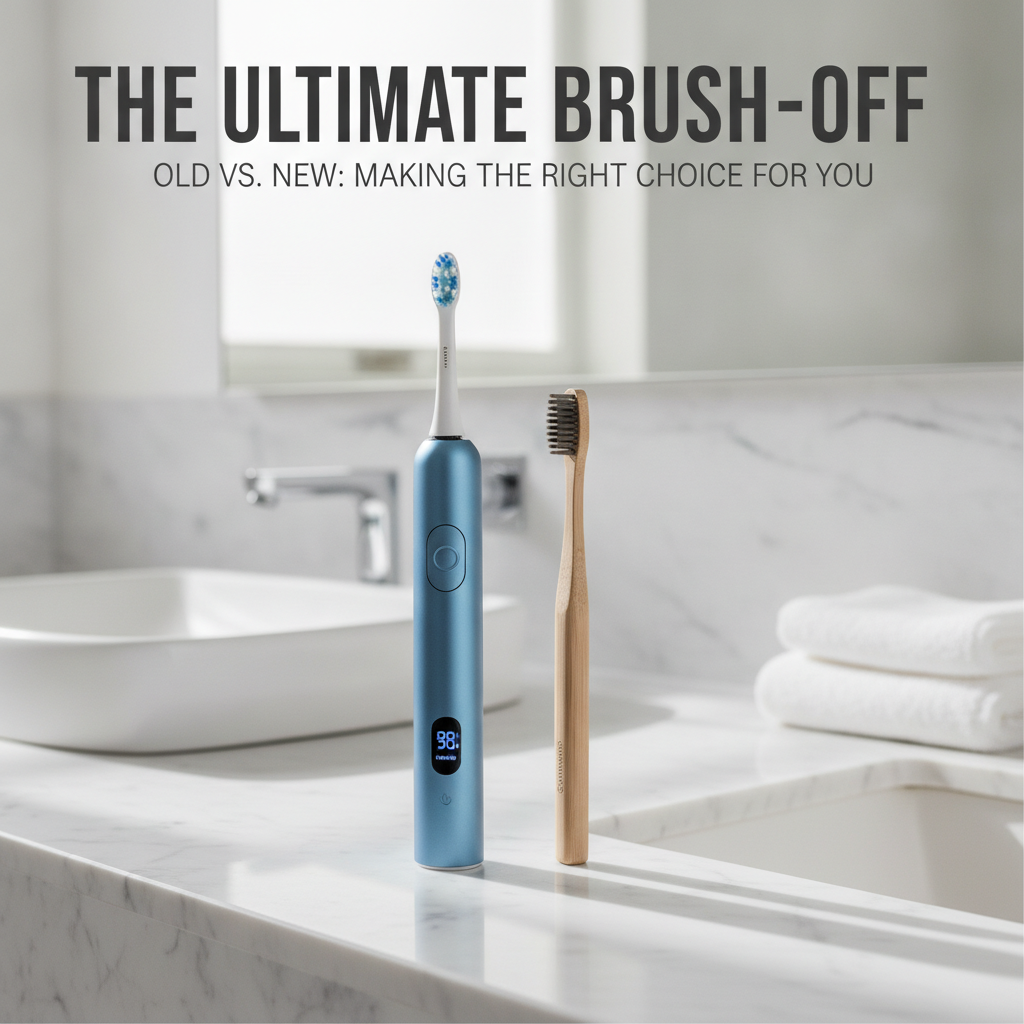
Understanding Electric and Manual Toothbrushes
What Is an Electric Toothbrush?
An electric toothbrush is a battery-powered device that cleans teeth by moving bristles in rapid motions. The brush head rotates, vibrates, or oscillates to help remove plaque and food particles. Most electric toothbrushes have timers and pressure sensors to help you brush well.
What Is a Manual Toothbrush?
A manual toothbrush is a traditional tool for cleaning teeth. It does not require batteries or electricity. You move the bristles by hand, sweeping them across the surfaces of your teeth and gums. Manual toothbrushes come in different shapes, sizes, and bristle types.
Key Differences Explained
- Electric toothbrushes move on their own; manual toothbrushes need hand movement.
- Electric toothbrushes often have features like timers and sensors; manual ones are simple and easy to use.
- Cost and maintenance vary: electric toothbrushes are more expensive and need charging or battery replacement.
- Both can clean teeth well when used properly.
Pros and Cons of Electric Toothbrushes
Effectiveness in Plaque Removal
Electric toothbrushes are shown to remove more plaque than manual ones. Their bristles move fast, helping reach tricky spots between teeth. Studies suggest that with proper use, electric models may reduce risks of gum disease.
Ease of Use and Accessibility
- Electric toothbrushes do most of the work, making brushing easier for people with limited mobility or braces.
- Many electric toothbrushes have built-in timers, helping users brush for the recommended two minutes.
Cost, Maintenance, and Lifespan
- Electric toothbrushes are more expensive to buy and maintain.
- They need charging or battery replacement.
- Brush heads must be changed every three months.
- Some models last for years; others may break sooner.
Pros and Cons of Manual Toothbrushes
Cleaning Performance
Manual toothbrushes can be just as effective if used correctly. A good brushing technique is needed to remove plaque and food debris.
Portability and Availability
- Manual toothbrushes are light and easy to carry.
- They do not need charging or batteries.
- You can buy them almost anywhere.
Price, Durability, and Replacement
- Manual toothbrushes are affordable.
- They are durable, but should be replaced every three months or after illness.
- Some are made from recyclable materials, making them more eco-friendly.
How to Choose Between Electric and Manual Toothbrushes
Who Should Use an Electric Toothbrush?
- People with limited hand movement, such as arthritis.
- Those with braces or special dental needs.
- Anyone wanting easier, more consistent brushing.
Who Should Use a Manual Toothbrush?
- People who travel often and want a lightweight option.
- Anyone looking for an affordable, easy replacement.
- Those who prefer simple, non-electric tools.
Oral Health Needs and Lifestyle Considerations
| Type | Best For | Considerations |
|---|---|---|
| Electric | Mobility issues, braces, tech features | Needs charging, higher cost |
| Manual | Low cost, simple use, travel | Relies on technique, no timer |
Step-by-Step Guide: Brushing Your Teeth the Right Way
Best Practices with Electric Toothbrushes
- Charge your toothbrush if needed.
- Wet bristles and add toothpaste.
- Place the brush head against your teeth at a 45-degree angle.
- Turn on the toothbrush and gently move it from tooth to tooth.
- Let the bristles do the work; do not scrub hard.
- Brush all surfaces: outside, inside, and chewing surfaces.
- Brush for at least two minutes. Use the timer if available.
- Rinse your mouth and brush head when finished.
Best Practices with Manual Toothbrushes
- Wet bristles and add toothpaste.
- Hold the brush at a 45-degree angle to your gums.
- Use gentle, circular motions on each tooth.
- Brush all surfaces for two minutes: outside, inside, and chewing.
- Do not press too hard; gentle brushing is more effective.
- Rinse your mouth and toothbrush after use.
Common Mistakes and How to Avoid Them
- Brushing too hard: causes gum damage. Use gentle pressure.
- Brushing for too short a time: use a timer.
- Missing areas: pay attention to all sides of every tooth.
- Using old toothbrushes: replace every three months.
FAQ: Electric Toothbrush vs Manual Toothbrush
Do Dentists Prefer Electric Toothbrushes?
Many dentists recommend electric toothbrushes because they improve brushing quality and consistency. However, using a manual toothbrush correctly can be just as effective for oral health.
Are Electric Toothbrushes Safe for Children?
Most electric toothbrushes are safe for children, especially those designed for kids. They may make brushing more fun and thorough. Always supervise young children while brushing.
Can Manual Toothbrushes Be Just as Effective?
Yes, a manual toothbrush can be just as effective when combined with proper technique and regular brushing habits. The key is consistency and thoroughness.
Latest Innovations and Trends in Toothbrush Technology (2026)
Smart Toothbrush Features
- Bluetooth connectivity to track brushing habits with apps.
- Pressure sensors to prevent brushing too hard.
- Timers and alerts for thorough cleaning.
Eco-Friendly Toothbrush Options
- Bamboo toothbrushes and recyclable electric brush heads.
- Manufacturers focus on less plastic and sustainable materials.
What’s New in 2026?
- Self-cleaning brush heads with ultraviolet (UV) sterilization.
- Customizable settings for individual dental needs.
- Smart reminders for brush head replacement and dentist visits.
Summary: Key Points and Next Steps
- Both electric and manual toothbrushes are effective for oral hygiene.
- Your choice depends on your needs, preferences, and budget.
- Follow proper brushing techniques and replace brushes regularly.
- Check for the latest technology and eco-friendly options.
- Ask your dentist for advice based on your personal oral health.
Advance Tips: Optimizing Your Routine
- Use fluoride toothpaste with any brush type.
- Brush twice a day and floss daily.
- Visit your dentist regularly for checkups.
- Store your toothbrush upright and let it air dry.
- If using electric, keep it charged and clean.