

What Is Slow Travel? Understanding the Concept and Its Benefits
Defining Slow Travel in the European Context
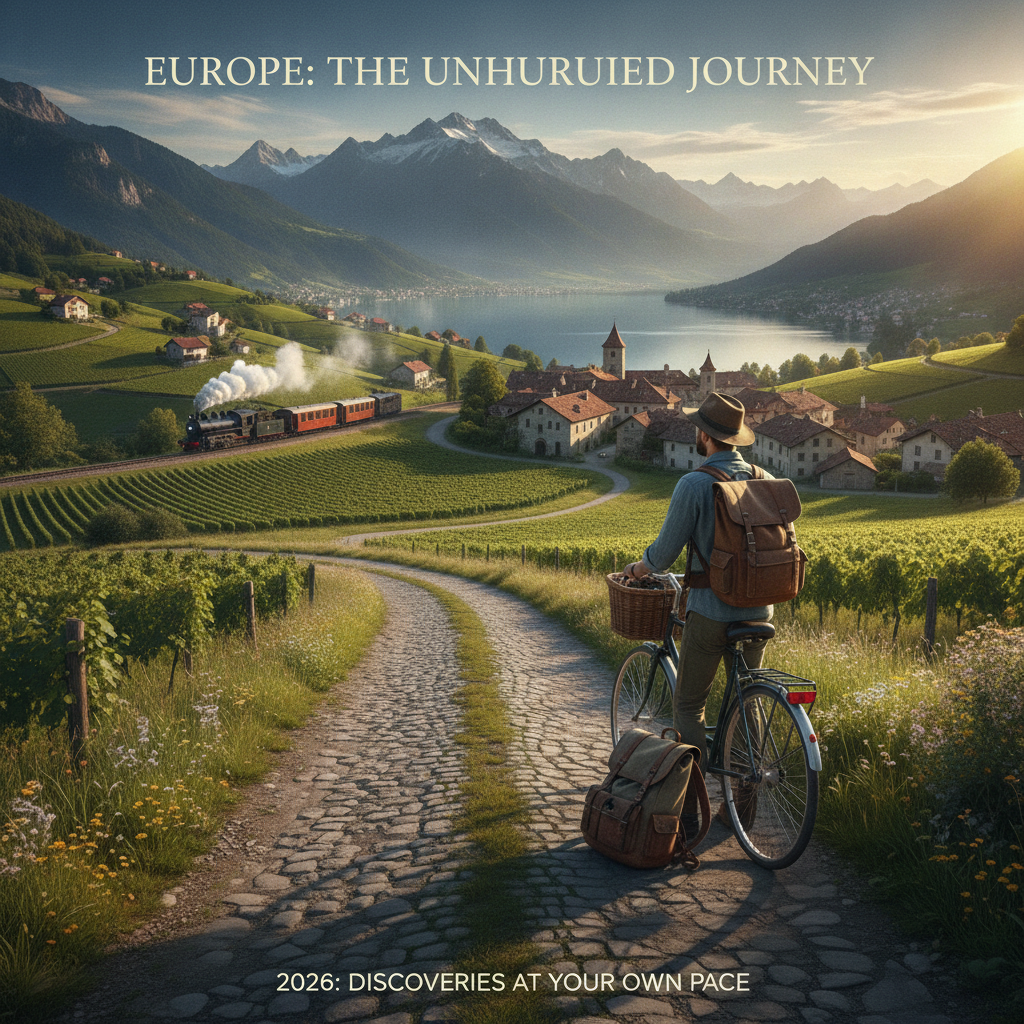
Slow travel means exploring a place at your own pace and spending more time in fewer locations. In Europe, this approach offers the chance to connect with local culture and enjoy small towns, countryside, and traditions. The focus is on mindful experiences rather than ticking off a checklist of tourist attractions.
Benefits of Slow Travel for Mindful Explorers
- Deeper connections with communities
- Less stress and more relaxation
- Opportunities to learn local customs
- Support for small businesses and local producers
- Reduced environmental impact
How Slow Travel Differs from Traditional Tourism
Traditional tourism often means rushing from one famous site to another. Slow travel, on the other hand, is about staying longer in each location, using local transport, and seeking authentic experiences. This style lets you understand the heart of a place rather than just observing from the outside.
Criteria for Selecting the Best Slow Travel Destinations in Europe
Community, Culture, and Authentic Experiences
The best slow travel locations have strong community traditions, lively local markets, and family-run restaurants. These experiences give you a real taste of European life.
Walkability, Local Transport, and Accessibility
An ideal slow travel destination is easy to explore without a car. Towns with bike paths, hiking trails, or good public transport make it simple to wander at your own speed.
Sustainability and Eco-Friendly Practices
Eco-friendly places encourage recycling, protect nature, and promote green accommodation. Choosing destinations with strong environmental values adds purpose to your journey.
Top 7 Best Slow Travel Destinations in Europe (2026)
Umbria, Italy – Medieval Towns and Vineyard Life
Umbria is known for its rolling hills, olive groves, and stone villages like Spello and Montefalco. Walk among vineyards, join olive harvest festivals, and enjoy slow-cooked Italian meals fresh from local farms.
The Alentejo, Portugal – Coastal Villages and Countryside Calm
Alentejo offers quiet beaches, whitewashed towns, and gentle rural landscapes. Stay in family-run homes, sample regional cheeses, and explore the region’s cork forests by foot or bike.
The Cyclades, Greece – Island-Hopping at a Relaxed Pace
The Cyclades are famous for white houses, blue domes, and peaceful harbors. Take slow ferries among islands like Amorgos and Paros. Spend your days listening to stories in seaside cafes and hiking ancient trails.
The Scottish Highlands – Wild Landscapes and Heritage Trails
Here, you’ll find dramatic mountains, quiet lochs, and village pubs. Walk heritage trails, try local salmon, and listen to folk music. Life moves slowly in the Highlands, letting you enjoy every moment.
The French Dordogne – Riverside Markets and Historic Villages
The Dordogne is known for medieval castles, river canoeing, and Saturday markets overflowing with local produce. Stay in stone cottages and join lively village events.
Transylvania, Romania – Castles, Caves, and Local Traditions
Transylvania is full of myths, pretty countryside, and local crafts. Explore fortified churches, join cheese-making workshops, and follow hiking routes through peaceful forests.
The Spanish Pyrenees – Mountain Retreats and Village Strolls
The Pyrenees offer alpine scenery and cozy villages. Enjoy quiet hikes, relax in rustic inns, and sample mountain cheeses while chatting with locals in tiny hamlets.
How to Plan Your Slow Travel Adventure in Europe
Choosing the Right Destination for Your Travel Style
- Think about the pace you enjoy: do you prefer beaches, mountains, or countryside?
- Research how easy it is to explore the area on foot or by local transport.
- Choose places that match your interests, such as food, history, or nature.
Building Flexible and Immersive Itineraries
- Pick just a few towns or regions as your base.
- Allow extra days for rest and unplanned discoveries.
- Include local events, workshops, and farm visits.
Transportation Tips for Sustainable Slow Travel
- Use trains and buses for cross-country travel.
- Rent bicycles or walk short distances.
- Share rides or join group transfers in rural areas.
Finding Slow-Paced Accommodations: Farmstays, Guesthouses, and More
- Search for local farmstays or small guesthouses online.
- Book early for popular areas in summer or autumn harvests.
- Ask about eco-friendly practices, meals, and activities with your hosts.
Essential Tips for Making the Most of Slow Travel in Europe
Connecting with Locals and Supporting Small Businesses
- Shop at neighborhood markets and try food from local bakers.
- Join walking tours led by residents.
- Respect traditions and chat with shop and cafe owners.
Culinary Experiences: Savoring Regional Flavors
- Take regional cooking classes.
- Eat at small family restaurants and taste house specialties.
- Try farm-to-table meals and handmade sweets.
Learning the Local Language and Customs
- Learn basic greetings and polite phrases in the local language.
- Read about the area’s history and traditions before you arrive.
- Be open-minded and willing to join local festivals or rituals.
Documenting Your Journey Mindfully
- Keep a simple journal of daily experiences and new friends.
- Take photographs of local life but always ask before photographing people.
- Collect recipes or stories instead of just souvenirs.
FAQ: Your Slow Travel Questions Answered (2026 Edition)
Is Slow Travel More Expensive Than Traditional Travel?
Not always. Renting a place for a week or more and cooking your meals can save money. Slow travel is about value, not luxury.
How Much Time Should I Allocate for Slow Travel in Europe?
Ideally, set aside at least one to two weeks per region. This gives you enough time to relax and explore deeply.
Can I Experience Slow Travel with Children or as a Solo Traveler?
Yes! Many farmstays and local accommodations welcome families and solo travelers. Slow travel is excellent for bonding and meeting new friends.
What Are the Best Times of Year for Slow Travel in Europe?
Spring and fall are perfect for mild weather, quiet villages, and colorful festivals. Summer is busier but lively; winter is peaceful, especially in the countryside.
Resources for Planning Your Slow European Adventure in 2026
Recommended Books and Travel Guides
- “Slow Travel Europe” by Penny Watson
- “The Art of Slow Travel” by Dan Kieran
- Lonely Planet Guides to local regions
Useful Websites, Forums, and Local Blogs
- Responsible Travel UK
- European Best Destinations
- Locally written blogs for towns and villages
Apps for Sustainable and Slow Travel
- Rome2Rio: for local transport options
- HappyCow: for finding vegetarian and eco-friendly food spots
- Komoot: for hiking and walking routes
Conclusion: Key Takeaways and Next Steps
Slow travel in Europe is about experiencing real life and making lasting memories. By choosing destinations rich in culture and nature, planning flexible itineraries, supporting local businesses, and using sustainable transport, you make your journey more meaningful. Start planning your next adventure by picking one region, reading local guides, and booking welcoming accommodations. Take it slow and let each moment become part of your story.