

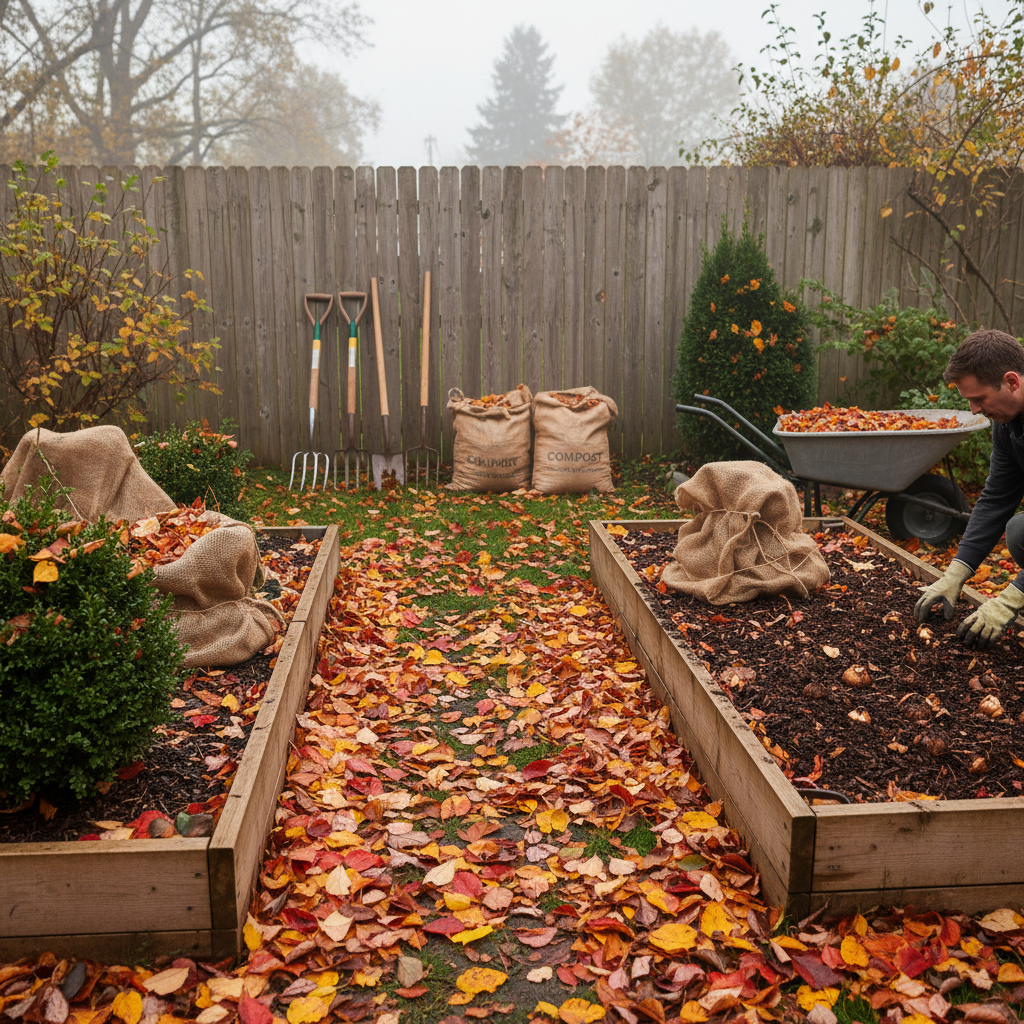
Preparing your garden for winter is vital to keep your plants healthy, soil fertile, and outdoor space beautiful. This detailed guide is designed for grade 9 students, providing easy-to-follow steps and tips for winter garden preparation. You’ll learn about tools, materials, common mistakes, and advanced strategies, making your garden ready for the cold months while optimizing next year’s growth.
Why You Need to Prepare Your Garden for Winter
The Impact of Winter on Plant Health
Winter brings cold temperatures, snow, and frost. These conditions can damage plant roots, kill sensitive species, and disrupt garden soil. Without proper preparation, your plants may not survive, and the garden could take longer to recover.
- Roots can freeze if not protected.
- Leaves and stems may dry out or get frostbite.
- Pests can burrow into debris, harming plants come spring.
Benefits of Proper Winter Preparation
Getting your garden ready for winter has several advantages. It protects plant health, improves soil quality, and saves time in spring. Proper preparation also helps prevent pests and plant diseases.
- Reduces plant loss.
- Enhances spring growth and flower blooms.
- Keeps garden beds tidy and organized.
Step-by-Step Guide: How to Prepare Your Garden for Winter
1. Clearing Debris and Dead Plants
Start by removing leaves, branches, and dead plants. Old plant material can harbor pests and diseases.
- Pick up fallen leaves and branches.
- Pull out dead annuals and weeds.
- Dispose of debris, or compost healthy material.
2. Pruning Perennials and Trees
Trim back perennials and trees to help them survive winter and grow stronger in spring.
- Use clean pruning shears.
- Cut back perennials to about 2-3 inches above soil.
- Remove damaged or diseased branches from trees and shrubs.
3. Protecting the Soil With Mulch
Applying mulch helps insulate soil, reduces erosion, and provides nutrients.
- Choose organic mulch like straw, leaves, or wood chips.
- Spread a 2-4 inch layer over beds.
- Keep mulch away from tree trunks to prevent rot.
4. Winterizing Garden Beds and Containers
Garden beds and containers need special care to handle cold temperatures.
- Remove annuals from containers.
- Move delicate containers indoors or group together for warmth.
- Cover raised beds with row covers or burlap for extra protection.
5. Caring for Lawn During Winter Preparation
Lawns also require attention to avoid winter damage.
- Rake up leaves to prevent mold.
- Cut grass to a moderate length, around 2.5 inches.
- Aerate soil if needed and consider applying autumn fertilizer.
Essential Tools and Materials for Winter Garden Preparation
Recommended Tools for Winter Prep
Having the right tools helps you work efficiently and safely.
- Pruning shears
- Rake
- Garden gloves
- Wheelbarrow
- Compost bin
- Mulch spreader
Choosing the Right Mulch and Covers
Using suitable mulch and covers is essential for plant protection.
| Type | Best Use | Pros |
|---|---|---|
| Straw | Vegetable beds | Good insulation, affordable |
| Wood Chips | Perennial beds | Long-lasting, attractive |
| Burlap | Shrub and tree covers | Reusable, weather-resistant |
Protecting Vulnerable Plants: How To Prepare Your Garden for Harsh Weather
Shielding Shrubs and Young Trees
Young shrubs and trees can be damaged by heavy snow and wind.
- Wrap trunks with tree guards to prevent cracking.
- Use burlap to cover sensitive shrubs.
- Support young trees with stakes.
Frost Protection Techniques
Frost can be deadly to tender plants.
- Cover plants with frost blankets or old sheets overnight.
- Remove covers in the morning to let plants breathe.
- Water soil before a freeze—it retains warmth better.
Preparing Your Vegetable Garden for Winter
Harvesting Remaining Crops
Before the first frost, harvest all mature vegetables.
- Pick ripe crops like tomatoes, carrots, and beans.
- Store or process vegetables for winter use.
- Remove plant remains for composting.
Covering and Enriching Vegetable Beds
Protect soil and add nutrients for next season.
- Spread compost on beds after clearing crops.
- Cover beds with straw or leaves as mulch.
- Plant cover crops (like rye) to fix nutrients.
Garden Wildlife During Winter: What You Need to Know
Creating Winter Habitats
Help helpful wildlife survive and maintain a balanced garden.
- Leave some leaf piles in safe corners for insects.
- Install bird feeders and provide water.
- Place brush piles for shelter.
Preventing Pest Problems
Certain pests take advantage of winter shelter.
- Remove diseased plants to reduce pest habitat.
- Check compost for signs of mice or insects.
- Seal cracks and gaps in sheds or storage areas.
Common Mistakes & FAQs: How to Prepare Your Garden for Winter
Pitfalls to Avoid
- Not clearing debris—leading to pests and disease.
- Applying too much or too little mulch.
- Ignoring young or sensitive plants.
- Failing to drain containers—causing root rot.
Frequently Asked Questions
- Q: Should I fertilize in winter? A: Fertilize in fall, not winter. Fertilizing in cold months can harm plants.
- Q: Do I need to water plants before winter? A: Yes, watering helps soil stay warmer and prevents dehydration.
- Q: Is it okay to leave some leaves on the beds? A: Yes, leave a thin layer for wildlife, but remove thick piles.
- Q: Can I compost winter debris? A: Compost healthy plant material, but discard diseased parts.
Additional Resources for Winter Garden Preparation (2026)
- Local gardening clubs and workshops.
- Online guides from university extension programs.
- Books: “Winter Gardening Basics” and “Garden Care Year-Round”.
- Websites: National Gardening Association, Royal Horticultural Society.
In summary, preparing your garden for winter protects plants, improves soil, keeps pests away, and makes spring gardening easier. Start early, follow these steps, use the right tools and materials, and avoid common mistakes. With proper preparation, your garden will thrive next year!