

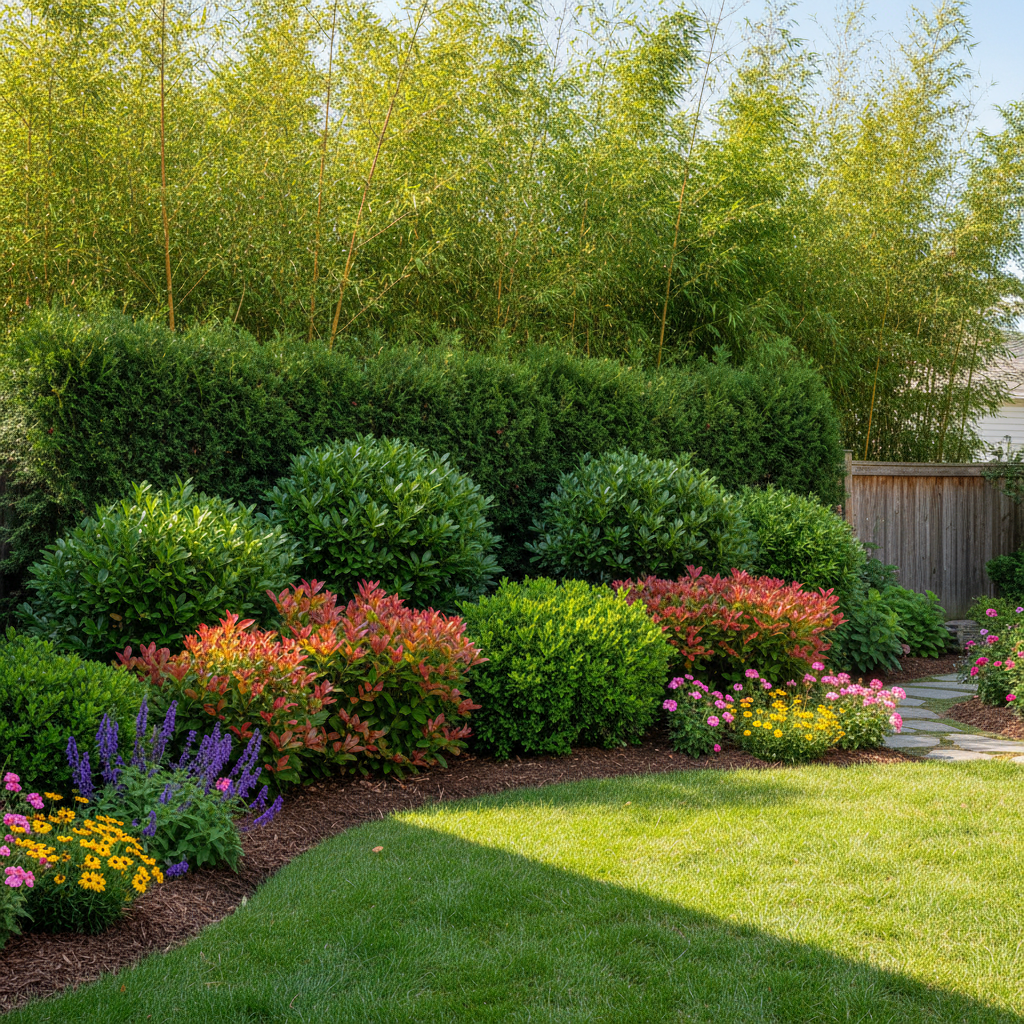
Understanding Fast-Growing Privacy Plants for Your Backyard
What Are Privacy Plants and Their Benefits?
Privacy plants are trees, shrubs, vines, or grasses used to create natural screens in outdoor spaces. They help block unwanted views, noise, and add beauty to your backyard. These plants are eco-friendly alternatives to fences and walls, offering habitats for birds and insects.
Key Criteria for Selecting Fast-Growing Outdoor Plants
When picking privacy plants, consider their growth rate, climate suitability, height, maintenance needs, and how well they cover spaces. Fast-growing plants provide privacy faster, but they may require more attention to manage their shape and health.
Popular Types: Hedges, Trees, Vines, and Grasses
There are four main types of privacy plants:
- Hedges: Dense and bushy, good for low barriers.
- Trees: Tall and sturdy, perfect for larger spaces.
- Vines: Climb fences or trellises for vertical screening.
- Grasses: Spread quickly and create textured screens.
Top 7 Fast-Growing Privacy Plants for Your Backyard
Best Evergreen Hedges for Year-Round Screening
- Thuja Green Giant: Grows fast, dense, and stays green all year.
- Privet: Rapid growth, easy to shape, tolerates trimming.
Rapid-Growth Trees for Large Backyard Privacy
- Leyland Cypress: Quick to grow, reaches 40 feet, forms thick screens.
- Lombardy Poplar: Can grow over 5 feet yearly, tall and narrow.
Climbing Vines for Vertical Coverage
- Star Jasmine: Fragrant, fast-growing, perfect for trellises.
- Clematis: Produces flowers, grows quickly on fences.
Ornamental Grasses for Quick, Textured Barriers
- Pampas Grass: Tall plumes, fast-growing, dramatic effect.
How to Choose the Right Privacy Plant for Your Backyard
Assessing Light, Soil, and Climate Requirements (2026 Update)
Check your backyard’s sunlight, soil quality, and climate zone before choosing plants. Some plants need full sun, while others thrive in shade. In 2026, many new plant varieties are available for cold and warm regions.
Deciding Between Evergreen and Deciduous Options
Evergreen plants keep leaves year-round and offer continuous privacy. Deciduous plants lose leaves in winter but often grow faster, making them great for seasonal privacy screens.
Matching Plant Growth Rate to Your Privacy Needs
If you need privacy quickly, choose fast-growing species like Leyland Cypress or Privet. For slower, long-lasting privacy, select trees or shrubs with moderate growth rates.
Planting and Caring for Your Privacy Plants
Step-by-Step Planting Guide
- Prepare tools: shovel, gloves, watering can, fertilizer, mulch.
- Dig holes twice the width of each plant’s root ball.
- Mix compost into the soil for extra nutrition.
- Place the plant in the hole, keeping roots loose.
- Fill the hole with soil and gently pat down to remove air pockets.
- Water deeply to help roots settle.
- Mulch around the base to retain moisture and prevent weeds.
Watering, Feeding, and Seasonal Maintenance Tips
- Water young plants every week; mature plants need less.
- Fertilize in early spring and mid-summer for faster growth.
- Check for pests or diseases and treat as necessary.
- Remove weeds regularly to prevent competition.
Pruning for Optimal Growth and Maximum Privacy
- Use clean pruning shears.
- Trim dead or weak branches twice a year.
- Shape hedges and trees to control height and thickness.
- Encourage new growth by thinning dense areas.
Solving Common Problems with Fast-Growing Privacy Plants
Troubleshooting Slow Growth or Sparse Foliage
- Check soil quality and add fertilizers if needed.
- Ensure proper watering—too much or too little can delay growth.
- Inspect for root damage or transplant shock.
Pest and Disease Management in 2026
- Identify pests early (aphids, beetles).
- Use eco-friendly insect sprays or remove pests by hand.
- Check for fungal diseases and treat with organic fungicides.
- Rotate plants and improve airflow to reduce infection risk.
Preventing Plant Overgrowth and Invasiveness
- Regularly prune fast-growing species.
- Monitor borders; prevent roots or runners from spreading.
- Select non-invasive plants when possible.
Creative Ways to Design a Backyard Privacy Screen
Combining Multiple Plant Types for Layered Privacy
Mix hedges, trees, vines, and grasses to build a layered privacy screen. Start with tall trees, plant hedges and grasses in front, and add climbing vines to vertical features.
Integrating Privacy Plants with Fencing and Landscape Features
- Plant vines along fences for extra coverage.
- Position hedges around patios to create hidden areas.
- Combine ornamental grasses with garden paths for visual interest.
Fast Solutions: Using Potted Plants and Temporary Options
- Arrange potted bamboo or tall grasses for instant privacy.
- Use movable planters to adjust coverage where needed.
- Set up temporary screens with trellises and fast-growing vines.
FAQ: Fast-Growing Privacy Plants for Your Backyard
How Fast Do Typical Privacy Plants Grow?
Most fast-growing privacy plants grow 2-5 feet per year. Their growth depends on climate, soil, and care.
What Is the Best Time to Plant for Fast Results in 2026?
Spring and early fall are ideal for planting. Updated varieties in 2026 allow planting in more climates.
Are There Low-Maintenance Privacy Plant Options?
Yes, options such as Thuja and Pampas Grass offer privacy with minimal watering or pruning.
Resources and Further Inspiration for Backyard Privacy Planting
- Local garden centers and nurseries for plant selection.
- Online forums and plant care videos for tips.
- Books on landscape design for creative ideas.