

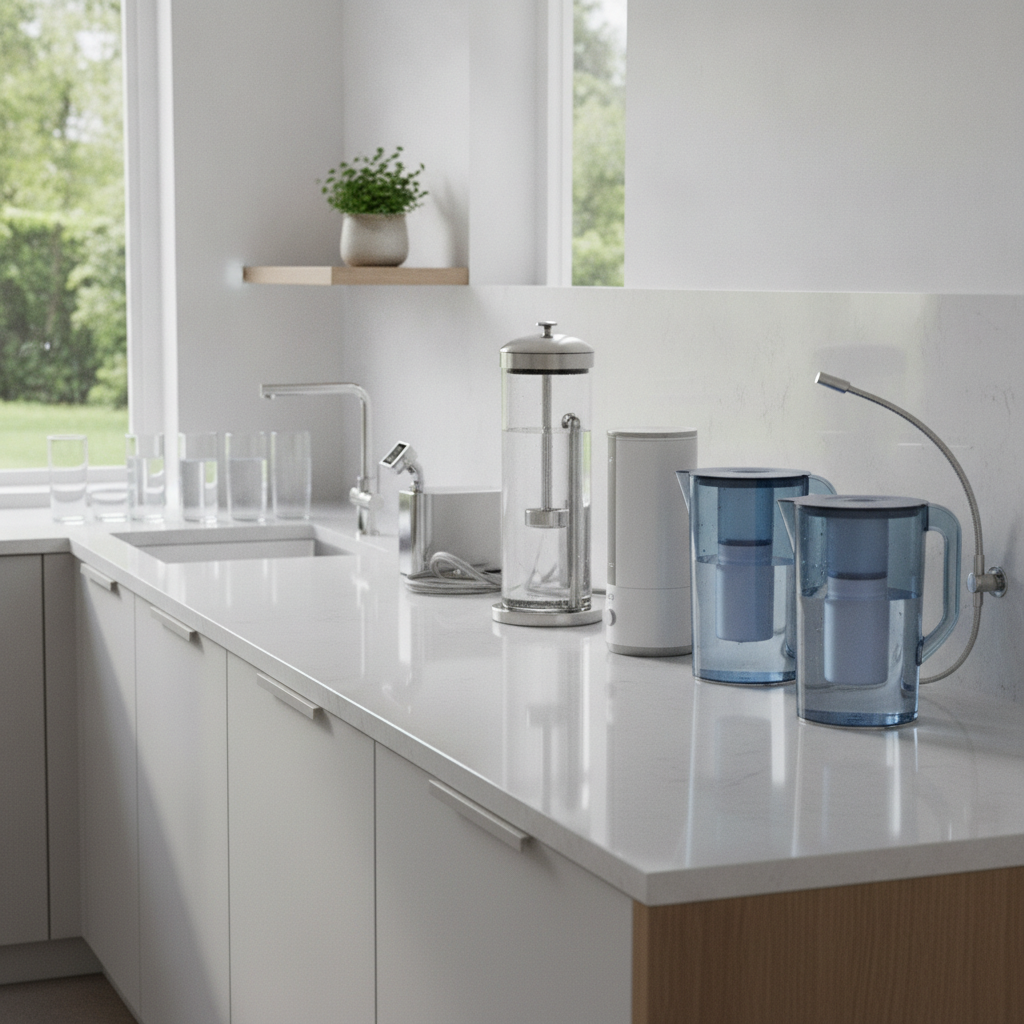
Having clean, safe drinking water at home is essential for your health. This guide helps you understand home water filters, covering the latest options for 2026. You will learn how to select the best water filter, what features to look for, and how to maintain them. Whether you are new to water filters or want to upgrade your system, this tutorial is written in clear language suitable for grade 9 learners.
Quick Overview: Top 3 Water Filters for Home Drinking Water in 2026
Before diving deep, here are three top water filters to consider for home drinking water:
- Easy to use for most families
- Reliable filtration performance
- Affordable long-term maintenance
Best Overall Water Filter for Home Use
This filter combines advanced multi-stage filtration with a simple installation. It removes contaminants like chlorine, lead, and microplastics. It fits under most sinks and ensures clean water throughout the year.
Best Value Water Filter for Drinking Water
If you need an affordable solution, this pitcher filter cleans tap water for drinking and cooking. It is portable, quick to use, and reduces common impurities. It is great for small households and apartments.
Best High-Capacity Filter for Large Households
This whole house water filter is suitable for homes with many occupants. It maintains strong flow rates and filters large volumes, removing heavy metals and harmful chemicals for all taps and appliances.
Types of Water Filters for Home Drinking Water
Different water filters solve unique needs. Here are the main types you can use:
Pitcher Filters
These are jugs with built-in filters. You pour water, wait for filtration, then drink. They are easy to use but best for small amounts of water.
Faucet-Mounted Filters
These attach directly to your faucet. Water flows through the filter, removing contaminants as you fill your glass. They are affordable and quick to install.
Under-Sink Filters
These filters go under your kitchen sink, connecting to your cold water line. They provide high-quality filtration for drinking and cooking water and are not visible in your kitchen.
Whole House Water Filters
Installed at the point where water enters your home, these filters clean all water used, including showers and appliances. They are great for families who want the highest protection.
Key Features to Consider When Buying the Best Water Filter for Your Home
When shopping for a water filter, check these key features:
Filtration Technology and Performance
Some filters use activated carbon, while others use reverse osmosis or UV light. Each technology removes different contaminants. Choose one based on your water problems.
Filter Lifespan and Maintenance
How often do you change the filter? Some last three months, others up to a year. Find a filter with easy replacement steps and good lifespan.
NSF/ANSI Certifications and Safety Standards
Look for products certified by NSF or ANSI. This third-party approval guarantees the filter meets safety and performance standards.
Installation Complexity
Some filters are easy to install (like pitchers and faucet models), while others need plumbing skills (like under-sink or whole house filters). Consider your DIY abilities.
Cost and Replacement Filters
Discuss not just initial cost but also replacement filter prices. Calculate yearly expenses for your chosen filter.
Step-by-Step Guide: How to Choose the Best Water Filter for Home Drinking Water
1. Identify Your Water Quality Issues
Test your tap water. Check for chlorine taste, bad odor, or visible particles. You can buy a simple home water test kit or ask your local water supplier for a report.
2. Compare Water Filter Options
Make a list of your needs—filtering lead, improving taste, or cleaning all household water. Compare types: pitcher, faucet, under-sink, and whole house. Use the comparison table below.
| Filter Type | Main Use | Ease of Installation | Typical Lifespan | Major Pros | Cons |
|---|---|---|---|---|---|
| Pitcher | Drinking | Very Easy | 2-3 Months | Portable, Cheap | Low Capacity |
| Faucet-Mounted | Drinking/Cooking | Easy | 3-6 Months | Quick, Direct Use | May reduce water flow |
| Under-Sink | Drinking/Cooking | Moderate | 6-12 Months | High Performance | Needs installation |
| Whole House | All Water | Complex | 9-12 Months | Whole Home Safety | Expensive, Plumbing required |
3. Read Customer Reviews and Ratings
Check online reviews from verified buyers. Focus on comments about water taste, ease of use, and filter lifespan. Avoid filters with frequent complaints about leaks or bad taste.
4. Calculate Long-Term Costs
Add up the price of replacement filters over a year. Compare this with the initial filter cost. Choose a filter that is affordable to maintain.
5. DIY vs. Professional Installation
Pitcher and faucet filters are DIY-friendly. Under-sink and whole house filters may need a plumber. Decide based on your skills and budget.
Common Questions About Home Drinking Water Filters
How Often Should You Replace Water Filter Cartridges?
Most cartridges need changing every 2-12 months. Check your model’s instructions for specific timing. Regular changes prevent bacteria buildup and keep water safe.
Do All Filters Remove Lead and PFAS?
No, only some filters are designed for chemical removal. Look for filters with NSF/ANSI 53 or 58 certification for lead and PFAS reduction. Always check the product label.
Is a Whole House Filter Necessary?
Whole house filters protect all water, including showers and laundry. If your water has many contaminants or you want full protection, it is a good choice. For just drinking water, a pitcher or under-sink filter is enough.
Final Tips for Ensuring Safe Home Drinking Water in 2026
- Test your water at least once a year
- Choose filters suited for your main concerns (taste, lead, chlorine)
- Replace filters on schedule to avoid harmful buildup
- Look for NSF/ANSI certification for trusted protection
- Consider your home size and budget for the best choice
By following this guide, you can select the best water filter for your home drinking water in 2026. Clean, fresh water is possible for every household with the right tools and knowledge. Start by testing your water, then compare the most suitable filters, read reviews, and calculate costs. Keep your filter maintained for safe water every day.