

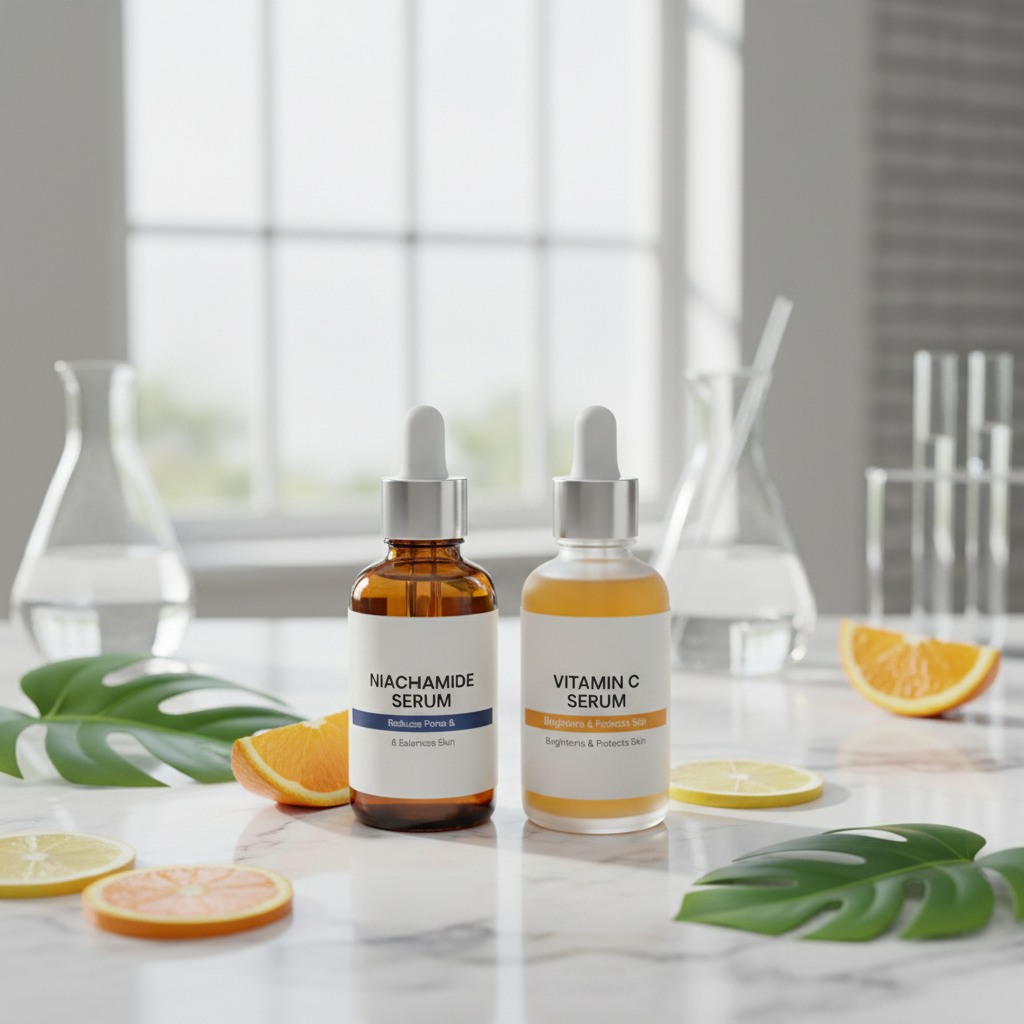
Choosing between niacinamide and vitamin C can be confusing for anyone looking to improve their skincare routine. Both ingredients have become popular for their effectiveness and are found in many products. This guide will teach you everything you need to know about niacinamide and vitamin C, help you decide which is right for you, and provide step-by-step instructions for use. Whether you have oily, dry, or sensitive skin, this article is perfect for grade 9 readers wanting clear, simple advice. By the end, you will understand the differences, how to incorporate them, and expert tips for best results.
Understanding Niacinamide and Vitamin C
What Is Niacinamide? How It Works in Skincare
Niacinamide, also known as vitamin B3, is a water-soluble vitamin. It helps build proteins in the skin and lock in moisture. Niacinamide is known for reducing redness, improving skin barrier, controlling oil, tightening pores, and calming sensitive skin. It works well for most skin types, especially acne-prone and sensitive skin.
What Is Vitamin C? How It Benefits Your Skin
Vitamin C is also known as ascorbic acid. It is a powerful antioxidant that protects your skin from pollution and sunlight. Vitamin C brightens the complexion, fades dark spots, and boosts collagen production, helping your skin look younger and healthier. It is ideal for anyone who wants glowing, even-toned skin.
Niacinamide vs Vitamin C: Key Differences Explained
Skin Concerns Addressed by Niacinamide
- Reduces visible pores
- Fights acne and blemishes
- Controls oil production
- Calms redness and irritation
- Strengthens the skin barrier
Skin Concerns Addressed by Vitamin C
- Brightens dull skin
- Fades dark spots and marks
- Fights signs of aging (wrinkles, fine lines)
- Protects against environmental damage
- Boosts collagen for firmer skin
How Their Mechanisms Differ
Niacinamide works by strengthening the skin, balancing oil, and reducing inflammation. Vitamin C acts mainly by fighting free radicals, evening skin tone, and stimulating collagen. Both are great for skin, but they solve different problems and work in unique ways.
Can You Use Niacinamide and Vitamin C Together?
Latest Research Insights (2026)
Recent studies show that niacinamide and vitamin C can be used together safely. In the past, experts were worried they would cancel each other out, but new evidence suggests combining them can improve skin results. This is good news if you want the power of both in your routine.
Application Order and Best Practices
- Apply vitamin C first on clean, dry skin for brightening effects.
- Follow with niacinamide serum for calming and strengthening benefits.
- Use sunscreen after these steps if applying in the morning.
Always use gentle, fragrance-free products and introduce one ingredient at a time if you are new to both.
How to Choose: Niacinamide or Vitamin C for Your Skin Type?
Oily, Acne-Prone, and Sensitive Skin
Niacinamide is best for oily and acne-prone skin. It controls oil, shrinks pores, and soothes irritation. Sensitive skin also benefits from niacinamide as it is calming and gentle.
Dry and Mature Skin
Vitamin C is ideal for dry and mature skin. It boosts collagen, hydrates, and fades age spots. Vitamin C serums make skin appear more youthful and radiant.
Combination Skin and Special Cases
If you have combination skin, you can use both ingredients to target different problems. For special conditions like hyperpigmentation or rosacea, seek medical advice before using strong actives.
Step-by-Step Guide: Incorporating Niacinamide or Vitamin C Into Your Routine
Morning vs Night Application
- Apply vitamin C in the morning for antioxidant protection.
- Use niacinamide morning or night to calm and repair skin.
Layering With Other Actives (e.g., retinol, acids)
- Cleanse your face thoroughly.
- Apply vitamin C serum.
- Wait a minute for absorption.
- Apply niacinamide serum.
- Use moisturizer to seal in hydration.
- If using retinol or acids, apply them at night and not with vitamin C to prevent irritation.
- Always follow with sunscreen in the morning.
Patch Testing and Common Side Effects to Watch
- Apply a small amount of the product on your inner arm.
- Wait 24 hours to check for redness or irritation.
- Start with low concentration and increase slowly if your skin tolerates it.
- Watch for side effects like stinging, redness, or dryness and discontinue use if needed.
Product Recommendations for 2026
Top Niacinamide Serums and Creams
- Look for serums with 5-10% niacinamide for daily use.
- Choose fragrance-free creams for sensitive skin.
- Popular brands: The Ordinary, Paula’s Choice, CeraVe.
Best Vitamin C Serums and Products
- Serums with 10-20% vitamin C are effective.
- Stable formulas (like sodium ascorbyl phosphate) work best for sensitive skin.
- Popular brands: SkinCeuticals, La Roche-Posay, TruSkin.
Hybrid Formulas Containing Both Ingredients
- Some products combine niacinamide and vitamin C for faster results.
- Look for products with gentle ingredients and clear instructions.
- Check for scientific backing and consumer reviews.
FAQ: Niacinamide vs Vitamin C in Skincare
- Can I use niacinamide and vitamin C together? Yes, modern research says it is safe. Introduce them one at a time if you are new.
- Which is better for uneven skin tone? Vitamin C is best for brightening; niacinamide helps calm redness.
- Is there a risk of irritation? Both are mostly gentle, but patch test to prevent problems.
- How fast will I see results? Results appear in 2-4 weeks if used regularly.
References and Latest Studies (2026)
- American Academy of Dermatology. “Niacinamide and Vitamin C: Safety in Combination,” 2026.
- British Journal of Dermatology. “Clinical Trials Comparing Niacinamide and Vitamin C for Skin Concerns,” 2025-2026.
- World Health Organization. “Vitamin C in Skincare: Benefits and Mechanisms,” 2026.
Summary: Key Takeaways and Next Steps
Niacinamide and vitamin C are both excellent choices for healthy skin, but each has unique benefits. Niacinamide is best for calming, repairing, and controlling oil. Vitamin C is perfect for brightening, fading spots, and anti-aging. You can use them together for even better results, but always patch test and start slowly. Choose products fit for your skin type, and follow the step-by-step guide to add them safely to your routine. For advanced care, combine with other actives and always wear sunscreen. Now, you’re ready to make an informed choice and achieve your best skin in 2026!