

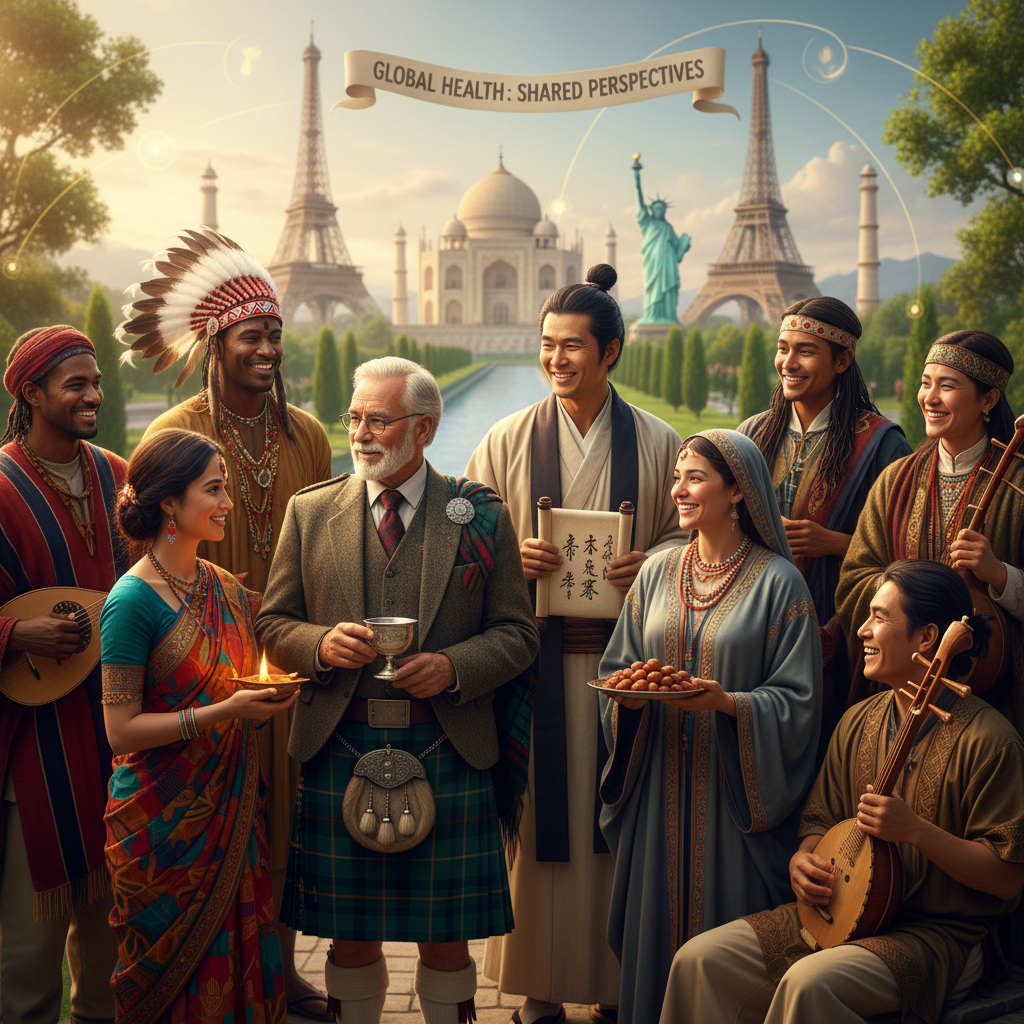
What Does “Health” Mean? A Multicultural Overview
Defining Health Across Different Traditions
The meaning of health can change based on culture, region, and history. Different societies view health not only as being free from illness, but also as achieving balance, happiness, and wellbeing. Understanding these diverse viewpoints helps us see health with a wider lens.
Why Cultural Perspectives on Health Matter Today
As the world becomes more connected, we interact with people from many cultures. Learning how health is defined and approached in various regions can improve our lifestyle, medical choices, and respect for others. It can also help create better health systems.
Exploring Eastern Health Perspectives
Traditional Chinese Views on Health and Balance
In China, health means harmony between body, mind, and nature. Traditional Chinese Medicine (TCM) focuses on balancing Qi (energy), Yin and Yang, and living according to the seasons. Diet, exercise, and emotional health are all important.
Ayurvedic Health Meaning from India
Ayurveda, an ancient Indian practice, views health as maintaining balance among body types called Doshas. Food, herbs, meditation, and daily routines help keep this balance. Health is more than physical—it includes mental and spiritual wellbeing.
Holistic Health Practices in Japan and Korea
Japanese and Korean health traditions focus on a holistic approach. Practices like forest bathing (Japan) and herbal medicine (Korea) connect people to nature and encourage mindfulness. Both cultures value preventive health and group harmony.
Western Understandings of Health Meaning
Biomedical Model vs. Holistic Wellbeing in the West
Western countries often use the biomedical model, which sees health as the absence of disease. More recently, holistic wellness that includes mental and social health is gaining popularity. Exercise, nutrition, and mental health are central to Western health.
Social and Mental Health Emphasis in Modern Europe
European countries are focusing more on mental health, stress management, and community care. Public health programs address social factors like education and income, showing that health is shaped by many influences.
Indigenous and African Concepts of Health
Community-Based Health in African Cultures
In Africa, health is often seen as a group concern. Traditions highlight the power of community and family support. Healing practices use local plants and spiritual rituals, and wellbeing is linked to the happiness of the whole group.
Connection to Nature and Spirituality in Indigenous Traditions
Indigenous cultures view health as a balance with nature, land, spirits, and ancestors. Ceremonies, storytelling, and herbal medicine honor this connection. Health is about harmony, not just physical strength.
How to Integrate Diverse Health Meanings into Your Lifestyle
Practical Strategies for Blending Global Health Wisdom
- Learn about different health traditions through books, videos, or classes.
- Reflect on your own health beliefs and see what you can improve.
- Try simple practices from different cultures, like forest walks or mindful eating.
- Talk with people from various backgrounds to understand their health routines.
Mind-Body-Spirit Practices for Everyday Life
- Practice meditation or breathing exercises daily.
- Include balanced, varied foods in your diet.
- Spend time outdoors to connect with nature.
- Join group activities to boost social wellbeing.
Tips for Culturally Sensitive Health Choices
- Respect health practices from other cultures.
- Avoid judging habits that are different from yours.
- Ask questions and seek understanding when possible.
- Be open to trying new wellness methods.
FAQ: Understanding Cultural Health Perspectives
Why do health definitions vary so widely?
Different cultures face unique challenges, have special values, and use local resources. This creates different ideas about what it means to be healthy.
How can cultural health beliefs impact medical decisions?
Culture shapes how people use medicine, trust doctors, and choose treatments. Knowing these beliefs allows health professionals to give better care.
Resources for Further Learning on Global Health Perspectives
- World Health Organization (WHO) website
- Books on Eastern, Western, and Indigenous health traditions
- Online courses about multicultural healthcare
- Local cultural health centers and community workshops
Background and Tutorial Value
Health means more than staying disease-free. This guide shows you how global ideas can help you create a healthier, fuller lifestyle. By learning from many cultures, you’ll make better decisions and develop empathy.
Preparation: Tools and Materials Needed
- Notebook for journaling
- Access to libraries, websites, or cultural organizations
- Healthy foods and herbal teas
- Outdoor space for nature practice
Step-by-Step Guide: Applying Global Health Perspectives
-
Understand Your Own Health Beliefs
Write down what health means to you. Reflect on how your family and culture shaped your ideas.
-
Explore New Health Traditions
Read about health from other cultures. Watch documentaries or listen to speakers who share traditional views.
-
Try Diverse Health Practices
Choose simple habits, like mindful eating or herbal tea, from another culture and add them to your routine.
-
Connect with Community
Join local health workshops or cultural festivals. Talk with people from diverse backgrounds to share experiences.
-
Balance Mind, Body, and Spirit
Use meditation, creative expression, and group activities to develop overall wellness, not just physical health.
Common Problems and Solutions
| Problem | Solution |
|---|---|
| Difficulty understanding new health concepts | Use simple language, ask questions, and start small |
| Uncomfortable with unfamiliar practices | Try them in a group or with guidance from an expert |
| Poor results from changing habits | Be patient, adjust slowly, and keep track of progress |
Advanced Tips: Optimizing Health by Using Global Wisdom
- Combine practices from different cultures for a richer routine
- Travel and experience health traditions first-hand
- Stay open-minded and flexible as your health evolves
- Share what you learn with friends and family
Conclusion: Key Points and Next Steps
Health is shaped by culture, history, and beliefs. By exploring global health perspectives, you gain better understanding, respect, and new ways to improve your wellbeing. Start small, keep learning, and apply these lessons every day. Your journey to better health is ongoing—embrace new ideas and share your discoveries!