

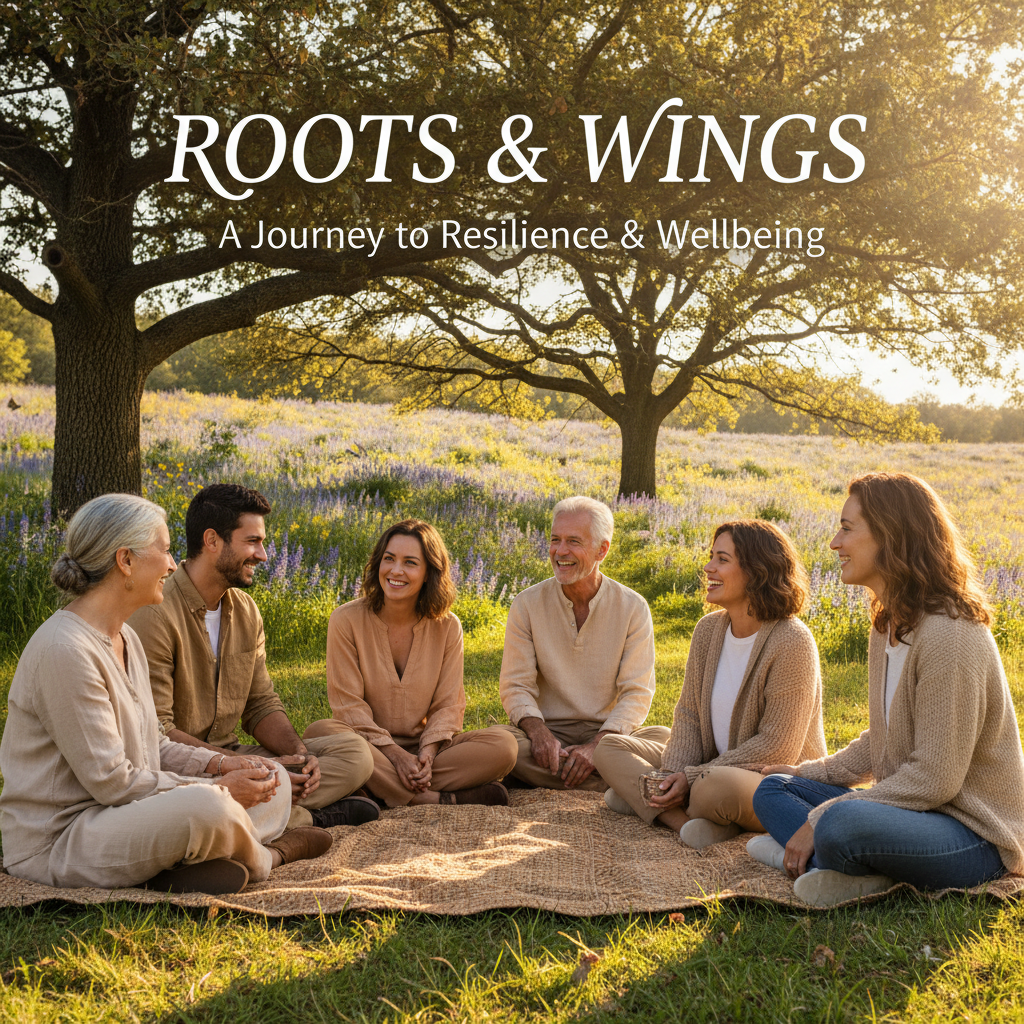
Understanding Resilience and Its Importance for Mental Wellbeing
What is Resilience?
Resilience is the ability to cope and adapt when faced with challenges, stress, or setbacks. It means bouncing back from difficult situations stronger and with a positive outlook. Resilience helps people maintain mental wellbeing even when life gets tough.
The Science Behind Building Mental Resilience
Studies show that resilience is influenced by genetics, environment, and learned behaviors. The brain can change and adapt, a concept known as neuroplasticity. Practicing healthy habits strengthens neural pathways that support coping and emotional regulation.
Why Resilience Matters for Your Health
Resilience reduces the risk of mental health issues like anxiety and depression. It helps you manage stress, improves relationships, and boosts confidence. Building resilience is essential for a healthy life and helps you face challenges with optimism.
Key Strategies for Building Resilience
1. Practice Mindfulness and Self-Awareness
- Set aside a few minutes daily to focus on your breathing.
- Notice your thoughts, feelings, and bodily sensations without judgment.
- Use mindfulness apps or guided meditations for support.
- Reflect on your experiences and learn from them.
2. Cultivate a Growth Mindset
- Believe that abilities and intelligence can grow with effort.
- View mistakes as learning opportunities.
- Set realistic goals and celebrate small achievements.
- Replace negative self-talk with encouraging statements.
3. Build Strong Social Connections
- Spend time with family, friends, and supportive peers.
- Share your feelings and listen to others.
- Join clubs, sports teams, or community groups.
- Be kind and help others when you can.
4. Develop Healthy Coping Skills
- Identify your stress triggers.
- Learn relaxation techniques like deep breathing or progressive muscle relaxation.
- Take breaks when overwhelmed.
- Use creative outlets such as drawing or music.
Daily Habits to Boost Mental Wellbeing
1. Prioritize Sleep and Nutrition
- Follow a regular sleep schedule.
- Aim for 8 hours of sleep each night.
- Eat balanced meals with fruits, vegetables, and proteins.
- Stay hydrated throughout the day.
2. Incorporate Physical Activity
- Engage in at least 30 minutes of exercise most days.
- Try activities like walking, cycling, or dancing.
- Stretch your muscles before and after workouts.
- Invite friends or family to exercise with you.
3. Journaling and Expressive Writing
- Write about your thoughts, feelings, and daily events.
- Use journaling to clarify your worries and goals.
- Express gratitude by listing things you appreciate.
- Review your journal to notice personal growth.
4. Digital Detox for Mental Clarity
- Limit screen time, especially before bed.
- Set specific times each day to check social media.
- Practice offline hobbies like reading or sports.
- Turn off notifications to reduce distractions.
Overcoming Setbacks: Practical Tips for Everyday Challenges
1. Managing Stress and Uncertainty
- Stay calm by focusing on what you can control.
- Break tasks into smaller steps to reduce overwhelm.
- Use positive coping statements: “I can handle this.”
- Practice deep breathing when stressed.
2. Dealing with Failure and Rejection
- Accept that everyone faces failure sometimes.
- Reflect on what you can learn from the experience.
- Don’t personalize rejection; focus on growth.
- Seek feedback and set new goals.
3. Seeking Support When Needed
- Talk to trusted adults, teachers, or counselors.
- Ask for help with school, friendships, or emotions.
- Join support groups if available.
- Recognize when professional help is needed.
Tools and Resources for Resilience Building
Recommended Apps and Online Programs (2026 Update)
- Headspace: Mindfulness and meditation support.
- Calm: Guided sleep stories and relaxation tools.
- MindShift: Helps manage anxiety and stress.
- MyLife: Emotional check-ins and meditation.
- Resilience Lab: Online resilience-building modules.
Books, Podcasts, and Workshops
- “The Resilience Factor” by Karen Reivich
- “Grit” by Angela Duckworth
- “The Happiness Lab” podcast
- Youth-specific resilience workshops (check local listings)
When to Seek Professional Help
- If stress or sadness lasts longer than two weeks.
- When daily activities are difficult to manage.
- If you have thoughts of harming yourself or others.
- Contact mental health professionals or helplines.
FAQ: Building Resilience and Mental Wellbeing
- Q: Can anyone learn to be resilient?
A: Yes, resilience can be learned and strengthened with practice. - Q: How long does it take to develop resilience?
A: The process is ongoing; positive habits help build resilience over time. - Q: What if I feel overwhelmed and nothing helps?
A: Seek support from adults, counselors, or professionals. - Q: Is it normal to feel stressed sometimes?
A: Yes, stress is a normal response to challenging situations. - Q: How can I help others become resilient?
A: Listen, encourage, and share coping strategies.
References and Further Reading (2026)
- American Psychological Association. Resilience Guide (2026 Edition)
- Centre for Youth Mental Health. Building Resilience Toolkit
- Mental Health Foundation. How to Boost Mental Wellbeing
- World Health Organization. Adolescent Mental Health: Strategies for Resilience
- Stanford Mind & Body Lab. Growth Mindset and Emotional Wellbeing Research