
Understanding Heat Protectant and Leave-In Conditioner
What Is a Heat Protectant?
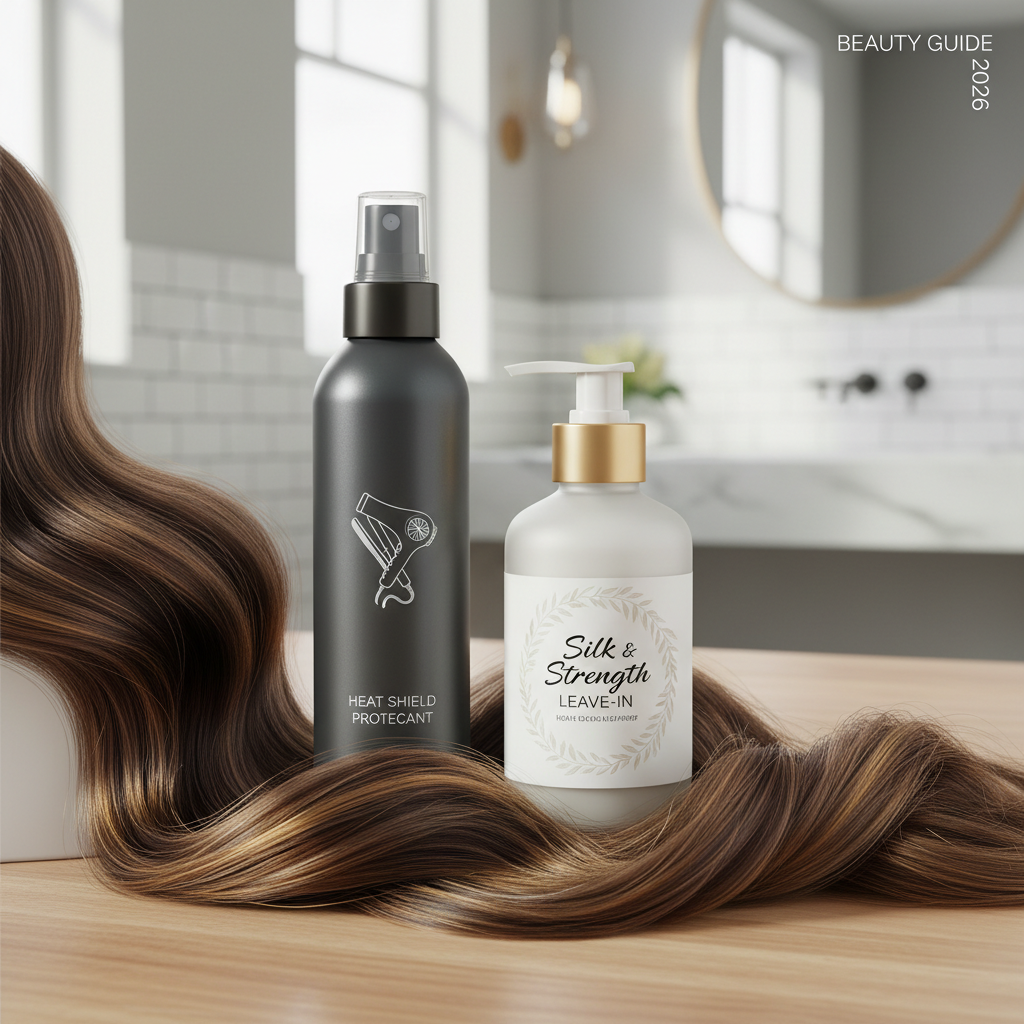
A heat protectant is a hair product designed to shield your hair from damage caused by hot styling tools such as straighteners, curling irons, or blow dryers. It creates a protective layer on hair fibers, reducing moisture loss and minimizing breakage.
What Is a Leave-In Conditioner?
A leave-in conditioner is a nourishing treatment you apply to clean, damp hair and leave in without rinsing. It provides extra moisture, softness, and manageability, helping detangle and control frizz throughout the day.
Key Functions and Benefits of Each Product
- Heat Protectant: Guards hair from heat; prevents dryness and split ends; keeps hair stronger during styling.
- Leave-In Conditioner: Hydrates hair; improves softness and shine; makes combing easier; controls frizz; repairs minor damage.
Main Differences Between Heat Protectant and Leave-In Conditioner
Ingredient Comparison
| Aspect | Heat Protectant | Leave-In Conditioner |
|---|---|---|
| Main Ingredients | Silicones, polymers, proteins | Oils, humectants, vitamins, proteins |
| Purpose | Heat resistance | Moisturizing |
| Texture | Light, spray or cream | Creamy, lotion-like |
Mechanism of Action
- Heat protectant forms a barrier that slows heat transfer and locks in moisture.
- Leave-in conditioner penetrates the hair shaft, nourishing and smoothing cuticles for softness and shine.
Effects on Different Hair Types
Heat protectant works for all hair types, especially if you style your hair with heat. Curly, dry, or damaged hair benefits most. Leave-in conditioner is helpful for thick, curly, frizzy, or chemically-treated hair and can be tailored for fine hair with lighter formulas.
When to Use Heat Protectant vs Leave-In Conditioner
Daily Hair Care Routines
- Use leave-in conditioner daily or after washing for ongoing moisture and manageability.
- Heat protectant is not required unless you use hot styling tools.
Pre-Styling and Heat Styling Situations
- Apply heat protectant right before using any heat tool (blow dryer, straightener, curler).
- Leave-in conditioner can be used before air-drying for increased softness or before styling for easier detangling.
Layering Both Products – Is It Safe and Effective?
It is safe and often recommended to layer leave-in conditioner and heat protectant. Apply leave-in conditioner first to condition and detangle, then use heat protectant before styling to shield against heat.
Choosing the Right Product for Your Hair
Factors to Consider (Porosity, Texture, Concerns)
- Porosity: High porosity hair absorbs more moisture, benefits from richer leave-in conditioners and strong heat protection. Low porosity needs lightweight formulas.
- Texture: Fine hair requires lighter, non-greasy products. Thick and curly hair may need creamier, intensive formulas.
- Concerns: Focus on products that target dryness, breakage, frizz, or color-protection as needed.
Product Recommendations for 2026
- Choose heat protectants labeled for your hair type and styling tools (sprays for fine hair, creams for thick).
- Look for leave-in conditioners enriched with ingredients like argan oil, keratin, or panthenol for extra repair.
- Popular brands in 2026 include new formulations that are plant-based, silicone-free, and have added UV protection.
How to Read Labels and Identify Quality Products
- Check for clear ingredient lists: avoid heavy alcohols or sulfates.
- Look for words like “thermal shield,” “moisture boost,” “repair,” or “anti-frizz” that match what you need.
- Choose products with positive reviews and tested claims (like “protects up to 450°F”).
How to Apply Heat Protectant and Leave-In Conditioner Effectively
Step-by-Step Application Guide
- Preparation: Wash hair thoroughly and towel dry until damp.
- Step 1: Apply leave-in conditioner to mid-lengths and ends. Use a small amount for fine hair or more for thick hair.
- Step 2: Detangle gently with a wide-tooth comb.
- Step 3: For heat styling, spray or apply heat protectant evenly over hair.
- Step 4: Proceed with styling tools once products are absorbed.
Common Mistakes to Avoid
- Applying too much product can weigh hair down and make it greasy.
- Skipping heat protectant leads to heat damage and dryness.
- Not distributing products evenly results in patchy protection and inconsistent effects.
FAQ: Heat Protectant vs Leave-In Conditioner
- Can I use both products together? Yes, layering is safe and effective.
- Do I need heat protectant if I air-dry? No, unless exposed to strong sunlight or heat.
- Which is more important? For heat styling, heat protectant is crucial. For daily care, leave-in conditioner is more useful.
- Will these products make my hair oily? When applied correctly, they should not make your hair greasy. Choose formulas for your hair type.
- What if my hair is damaged? Use both together for best results, and pick formulas designed for repair.
Additional Tips for Healthy, Protected Hair
- Trim hair regularly to remove split ends.
- Limit heat styling to a few times a week.
- Use sulfate-free shampoos and gentle detangling tools.
- Deep condition once a week for extra moisture.
- Protect hair from sun exposure and pollution with hats or UV protectant products.
- Eat a balanced diet for stronger, healthier hair.
Summary: Key Points and Next Steps
- Heat protectant shields from styling damage; leave-in conditioner nourishes and controls frizz.
- Both products can be used together for maximum protection and softness.
- Choose products matched to your hair’s needs, check ingredients, and follow proper application steps.
- For best results, add regular trims and deep conditioning to your routine.
Explore new, quality products in 2026, keep your hair healthy by making informed choices, and enjoy safe, stylish hair every day.