

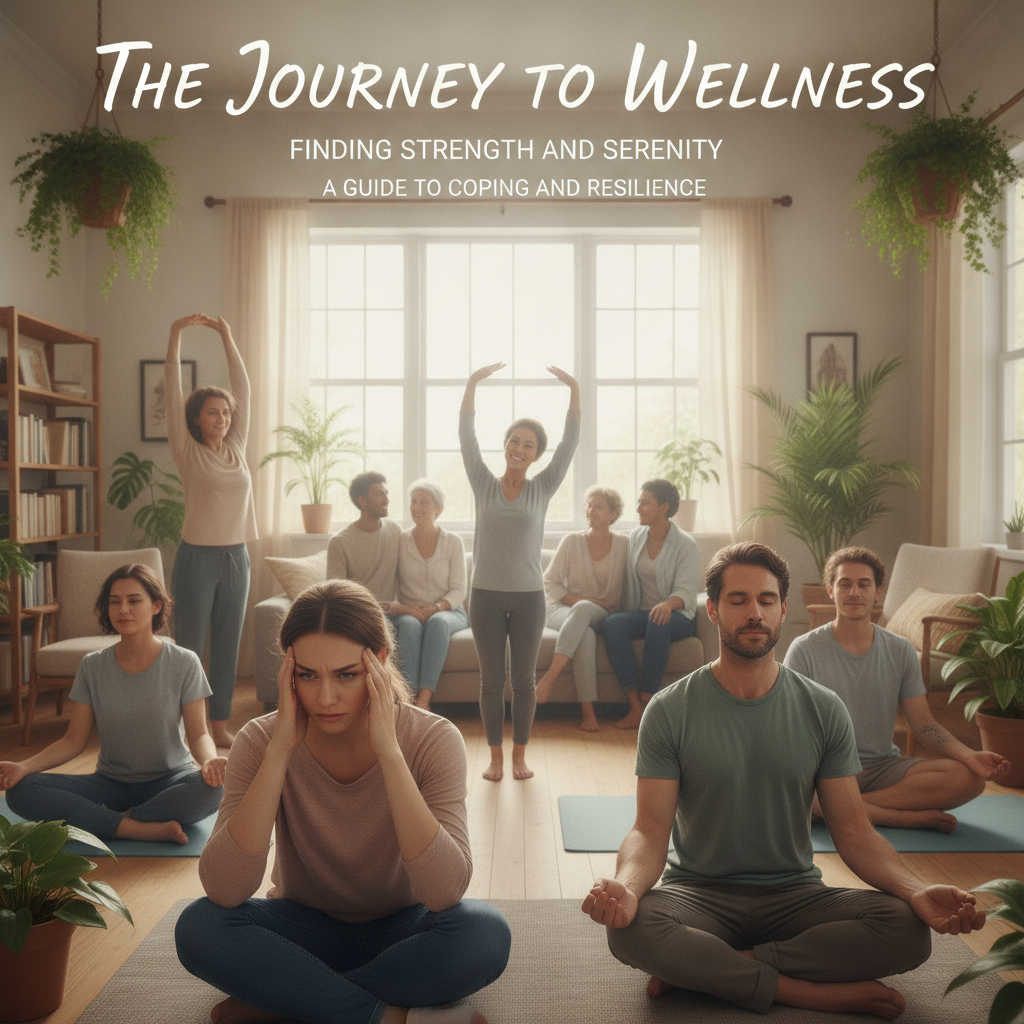
Stress is a common part of life, especially for students and young people. Understanding how stress affects mental health is important. This guide explains what stress is, its impact on mental health, and offers practical steps to manage stress. It is designed for grade 9 students with easy language and clear steps.
Understanding The Impact of Stress on Mental Health
What Is Stress and How Does It Affect the Mind?
Stress is the body’s reaction to changes or challenges. It can be caused by schoolwork, family issues, or social pressure. When you feel stress, your brain releases chemicals that make your heart beat faster and your body feel tense. Long-term stress can cause problems with thinking, emotions, and decision making.
Common Mental Health Issues Linked to Stress
- Anxiety: Worrying too much about things.
- Depression: Feeling sad, hopeless, or empty for weeks.
- Sleep problems: Trouble falling or staying asleep.
- Difficulty concentrating: Finding it hard to focus on tasks.
Recent Research on Stress and Mental Health (2026 Updates)
Recent studies show that stress can change the way your brain works. New research suggests that even short periods of high stress may affect mood and memory. Scientists are also finding ways to track stress using smartphone apps and wearables to help people manage their mental health better.
Recognizing the Signs: When Stress Affects Your Mental Health
Emotional and Behavioral Symptoms of Stress
- Quick mood changes or feeling irritated.
- Crying easily or feeling overwhelmed.
- Withdrawing from friends or family.
- Loss of interest in hobbies or activities.
Physical Health Changes Related to Stress
- Headaches or stomach aches.
- Fatigue or lack of energy.
- Muscle tension or pain.
- Appetite changes.
When to Seek Professional Help
- If symptoms last more than two weeks.
- If stress causes trouble in daily life (school, home, relationships).
- Thoughts of harming yourself or others.
- If you feel unable to cope, reach out to a school counselor, family doctor, or mental health professional.
How to Reduce Stress for Better Mental Health
Practical Daily Stress-Reduction Techniques
- Set a daily routine: Regular habits help you feel more secure.
- Take breaks: Short pauses between homework or chores boost energy.
- Stay active: Exercise like walking or sports helps reduce stress.
- Keep a journal: Writing about your feelings can help manage stress.
Mindfulness, Meditation, and Relaxation Strategies
- Mindful breathing: Sit quietly and focus on slow breaths.
- Guided meditation: Use free apps or online videos to relax.
- Visualization: Picture yourself in a peaceful place.
- Progressive muscle relaxation: Tense and relax each muscle group.
Building Resilience and Coping Mechanisms
- Positive self-talk: Replace negative thoughts with positive ones.
- Set realistic goals: Break tasks into small steps.
- Learn from challenges: Treat difficulties as learning opportunities.
- Practice gratitude: List three things you are thankful for each day.
Creating a Supportive Environment to Manage Stress
The Role of Social Support in Stress Management
- Talk with friends or family about your feelings.
- Join clubs or groups to meet new people.
- Reach out to a trusted adult when feeling stressed.
Stress Management at Work and Home
- Keep communication open with parents and teachers.
- Work together with family to solve problems.
- Set clear boundaries between schoolwork and relaxation.
- Create a calm and organized space for studying.
Professional Resources & Tools for Managing Stress and Mental Health
Therapy, Counseling, and Online Support (2026 Resource Guide)
- School counselors: Talk about stress and mental health concerns.
- Therapists: Professionals trained to help with emotional problems.
- Online support groups: Safe spaces to share experiences and get advice.
- Telehealth services: Access counseling from home via video or phone.
Recommended Apps, Books, and Hotlines
- Mental health apps: Headspace, Calm, Moodpath, or local resources.
- Helpful books: “The Stress Reduction Workbook” or “Mind Over Mood”.
- Hotlines: National mental health helplines (check local numbers).
Frequently Asked Questions: The Impact of Stress on Mental Health
| Question | Answer |
|---|---|
| Can stress be good for you? | Small amounts of stress can help you stay alert and motivated. Too much causes harm. |
| How can I tell if stress is affecting my mental health? | Look for changes in mood, sleep, habits, or thoughts. Ask for help if needed. |
| What should I do if I feel overwhelmed? | Take deep breaths, talk to someone you trust, and use the steps in this guide. |
| Is it normal to feel stressed? | Yes, everyone feels stress at times. Learning to manage it is important. |
| Where can I find help? | Reach out to school counselors, doctors, or mental health hotlines and apps. |
Conclusion: Key Points and Next Steps
Stress can strongly affect mental health, especially for young people. Recognize the signs early and use daily strategies to manage stress. Build a supportive environment and use professional resources if needed. Take small steps to reduce stress, practice mindfulness, and reach out for help when necessary. With the right tools and knowledge, you can protect your mental health and thrive.